
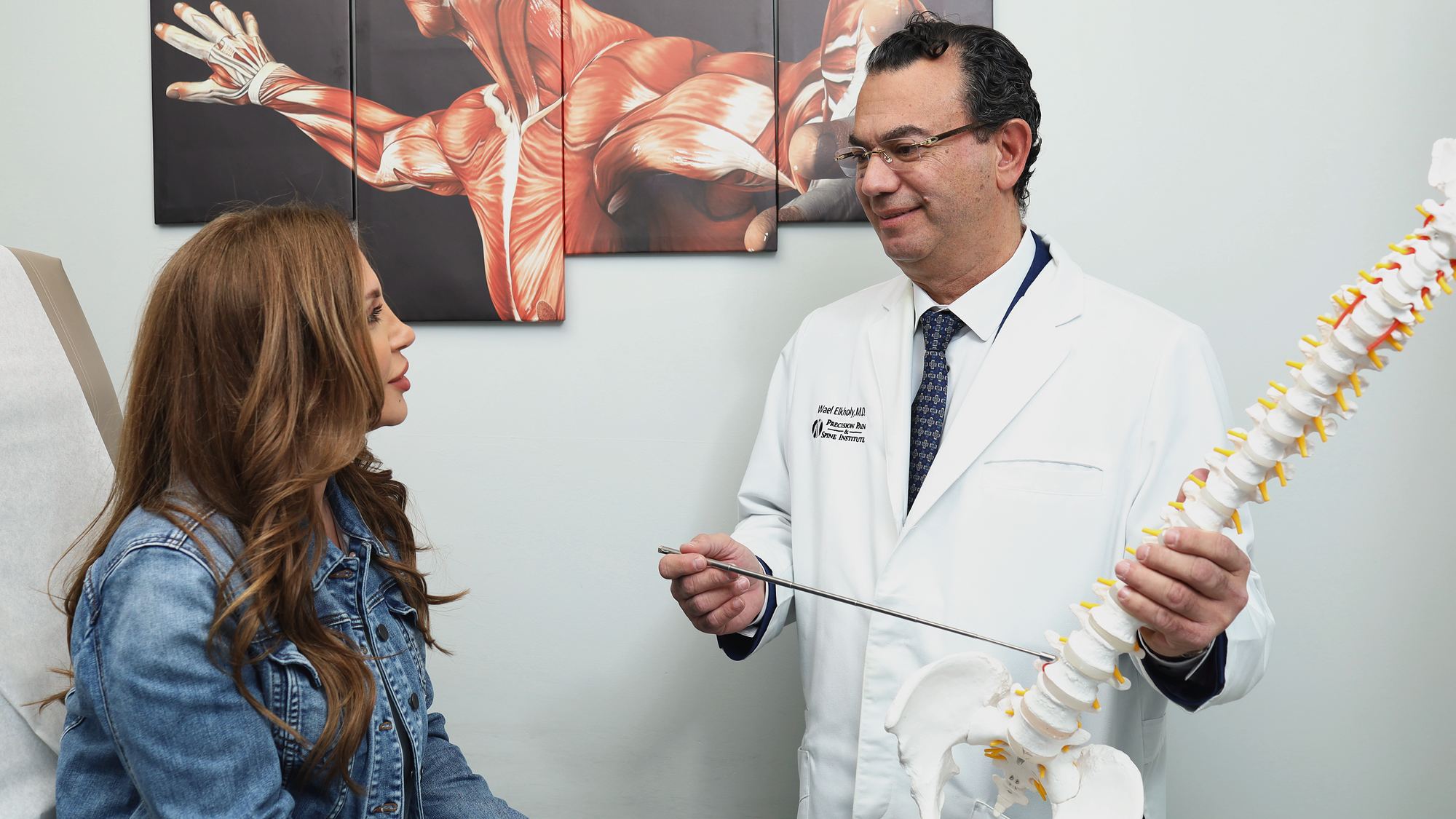
What patients usually want to know
The key question behind PPSI services is whether symptoms are temporary, mechanical, nerve-related, inflammatory, or part of a condition that needs a targeted diagnosis. PPSI focuses on separating routine soreness from problems that benefit from specialist evaluation.
How PPSI approaches the problem
Care begins with a history, exam, and review of prior imaging or tests. When needed, the team may use X-rays, MRI review, EMG and nerve conduction testing, injections, therapy, chiropractic care, bracing, medication management, or specialist referral.
Treatment options
A plan may include activity modification, guided rehabilitation, anti-inflammatory strategies, image-guided procedures, regenerative or minimally invasive options where appropriate, and education to reduce recurrence. The goal is not only pain relief, but safer movement and better long-term function.
When to seek care
Patients should seek care when pain is severe, persistent, radiating, associated with weakness or numbness, interfering with work, or following an accident. Early evaluation helps prevent a small problem from becoming chronic.
New Jersey care access
Precision Pain & Spine Institute serves patients across Edison, Clifton, Elizabeth, Hamilton, Jersey City, North Brunswick, Passaic, Somerset, and nearby communities.