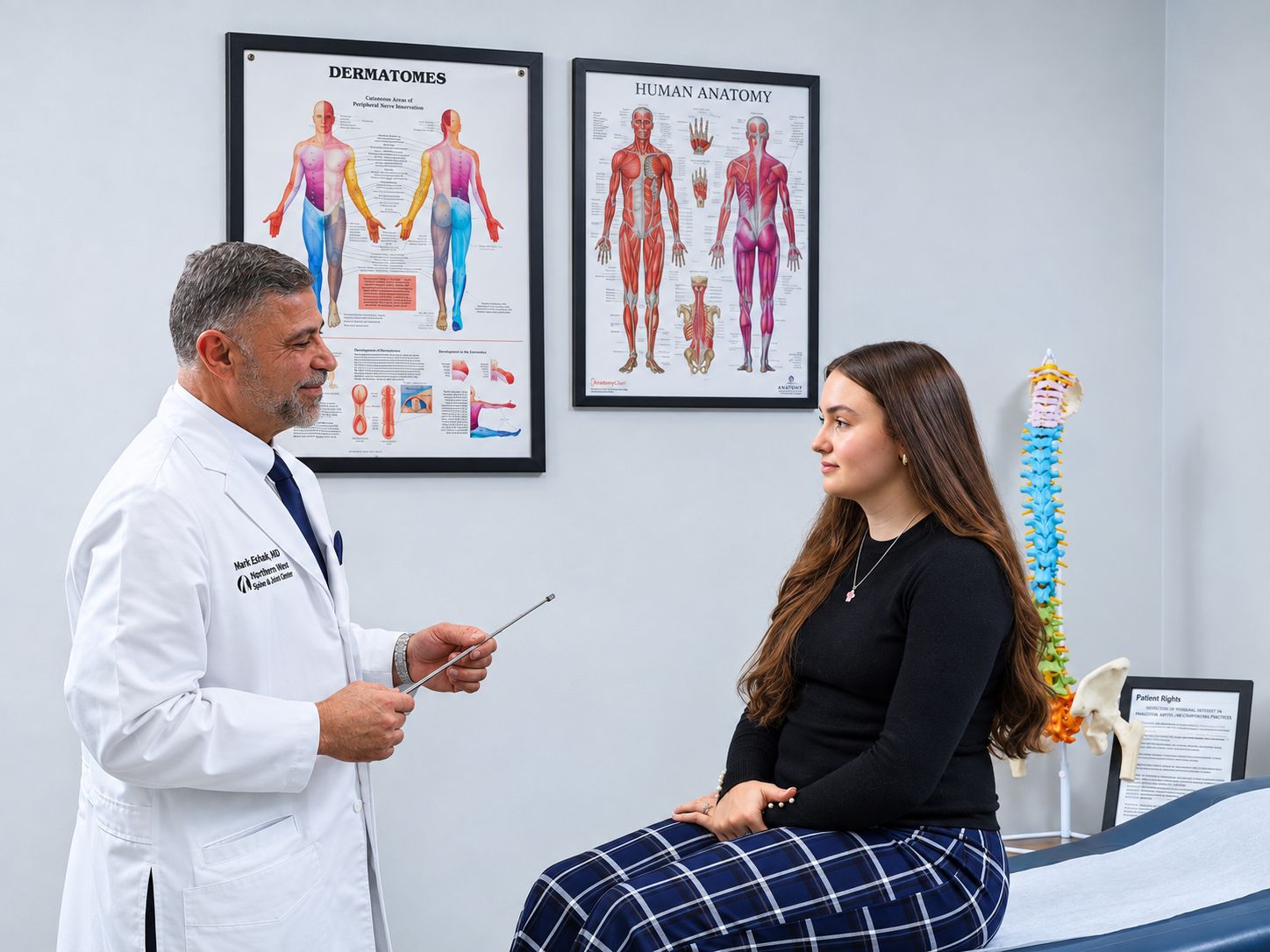
What Pain Management Doctors Do
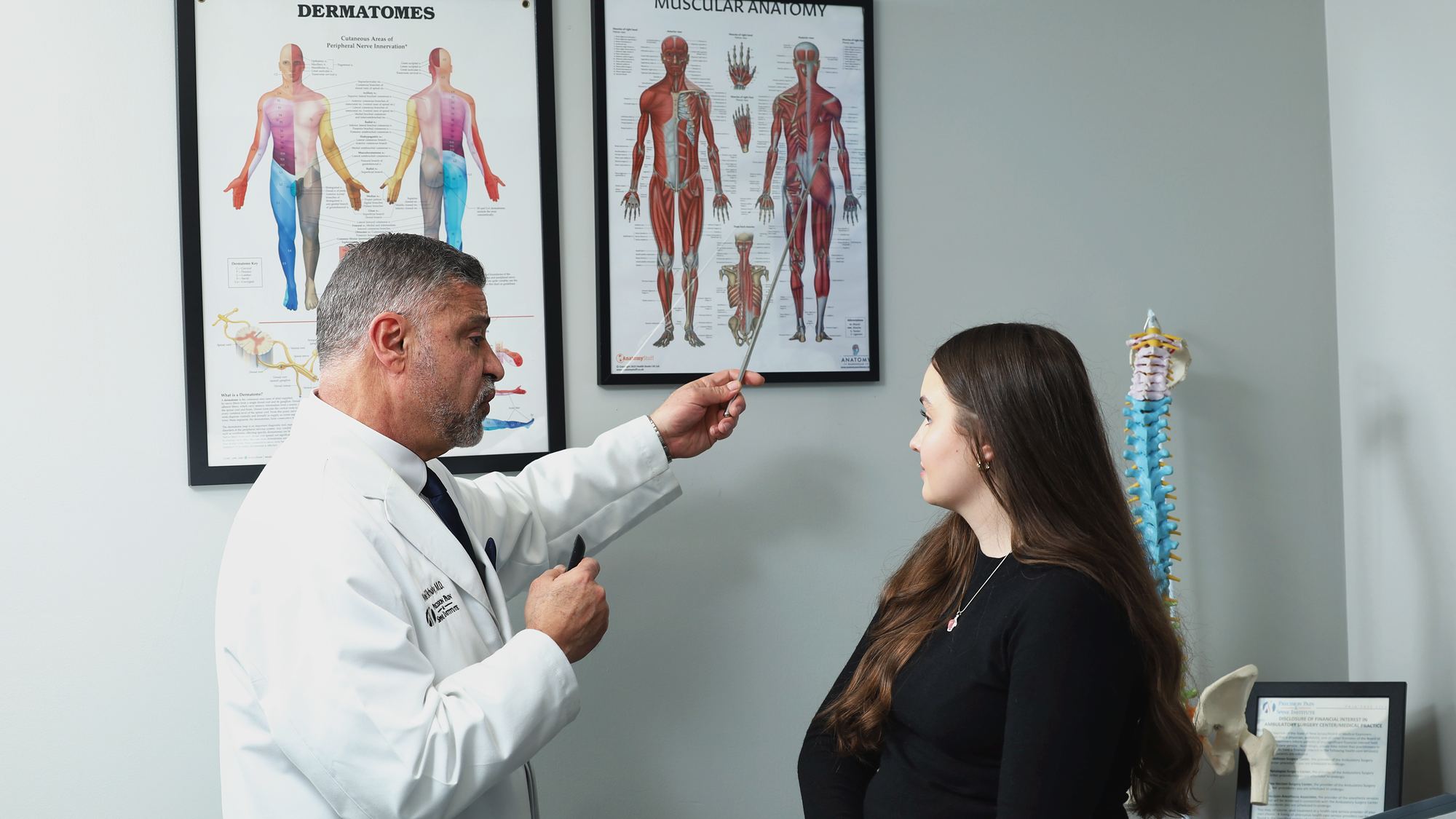
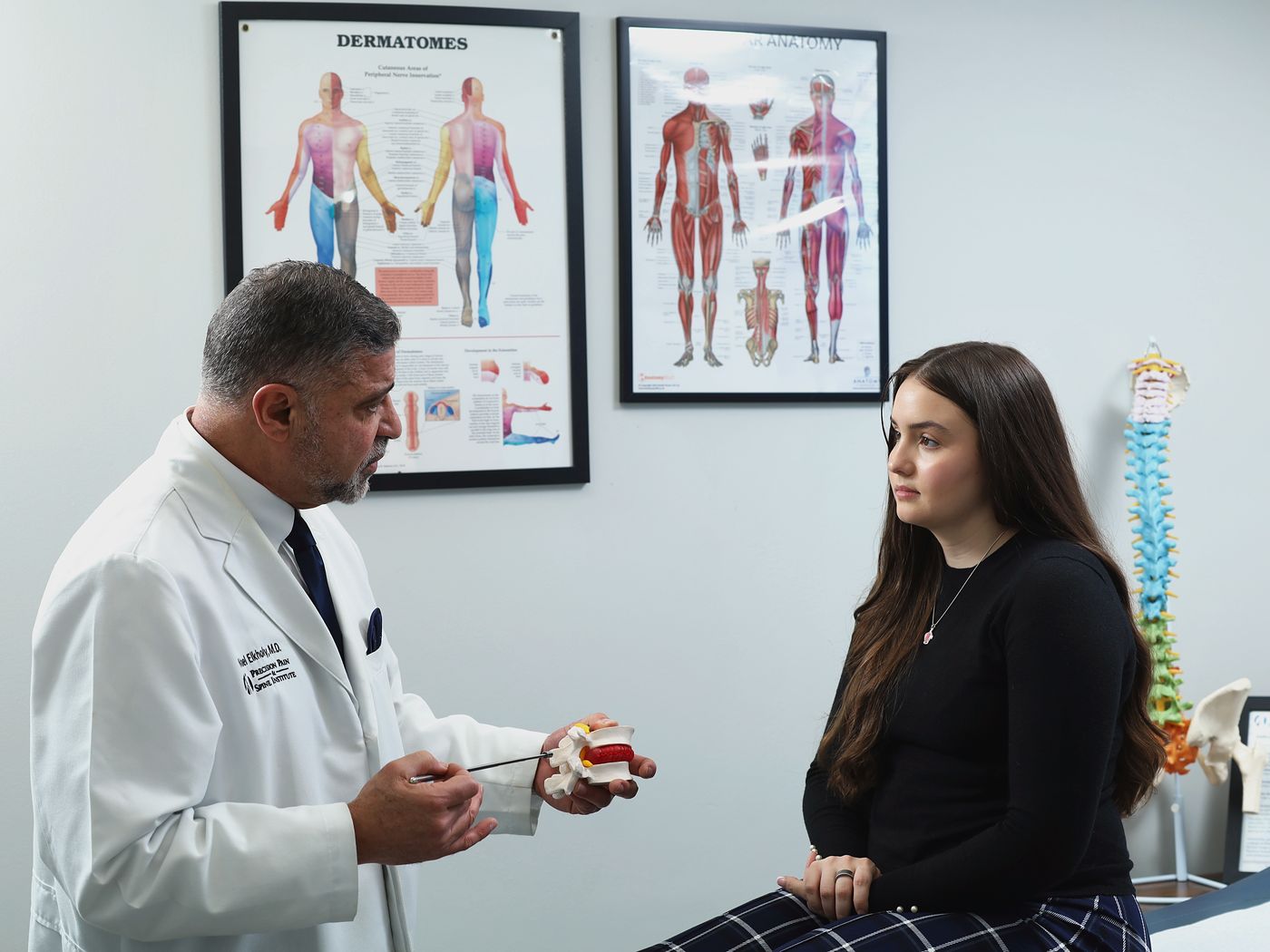
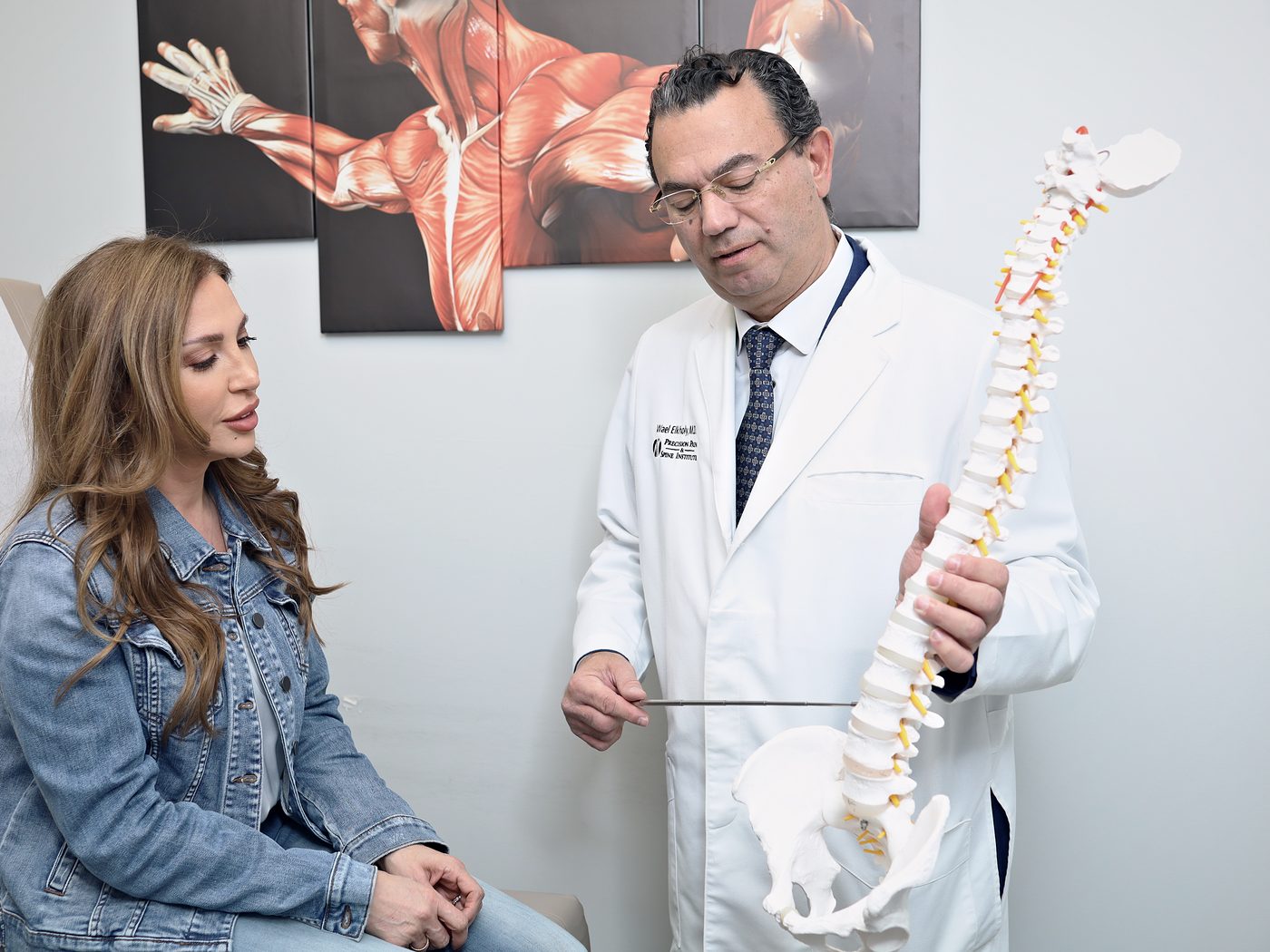
Pain management doctors diagnose and treat chronic, severe, or complex pain that has not improved with basic care. At PPSI, that can include evaluation, imaging review, EMG/NCS when appropriate, epidural steroid injections, facet blocks, nerve blocks, radiofrequency ablation, medication guidance, and coordination with physical therapy, chiropractic care, or spine surgery. The goal is to reduce pain, improve function, and help you return to work, sleep, driving, and daily activity with a realistic plan.
Conditions We Treat
We commonly treat back pain, neck pain, sciatica, herniated disc pain, spinal stenosis, arthritis-related joint pain, nerve pain, failed back surgery syndrome, and pain from auto accidents, work injuries, falls, or overuse. We also evaluate patients whose pain has not improved with primary care or who want a second opinion before considering surgery. Not every problem needs an injection; we recommend the least invasive option that fits your condition and goals.
Our Approach
We believe in clear communication and evidence-based care. Your plan is tailored to your diagnosis, lifestyle, work demands, and preferences. We use image-guided procedures when they are likely to help, and we combine them with rehab, activity modification, and medication when appropriate. With locations across New Jersey, PPSI can keep follow-up, testing, and therapy close to home whenever possible.
When to See a Pain Specialist
Consider seeing a pain management specialist if your pain has lasted more than a few weeks, limits daily activity, affects sleep or work, causes radiating symptoms, or has not improved with rest and over-the-counter options. You may also be referred by your primary care doctor, orthopedist, chiropractor, or surgeon. We clarify the cause of your pain and outline options, from conservative care to injections to coordination with surgery, so you can make an informed decision.
Procedures and Safety
Our injections and nerve blocks are performed with fluoroscopy or ultrasound guidance to improve accuracy and reduce risk. We use sterile technique and local anesthesia; many procedures take only a few minutes. You receive after-care instructions, medication guidance when relevant, and follow-up to measure how the treatment affected pain and function. We also explain any limits on driving or activity the day of the procedure.